



Flora & Fauna
Discover the rich birdlife and vibrant flora that make KBRNP a true urban sanctuary.
Iconic birds of KBR National Park
KBR National Park is home to a vibrant array of bird species, from the majestic Indian Peafowl to colourful kingfishers and parakeets. The park's diverse tree cover provides an ideal habitat for both resident and migratory species.
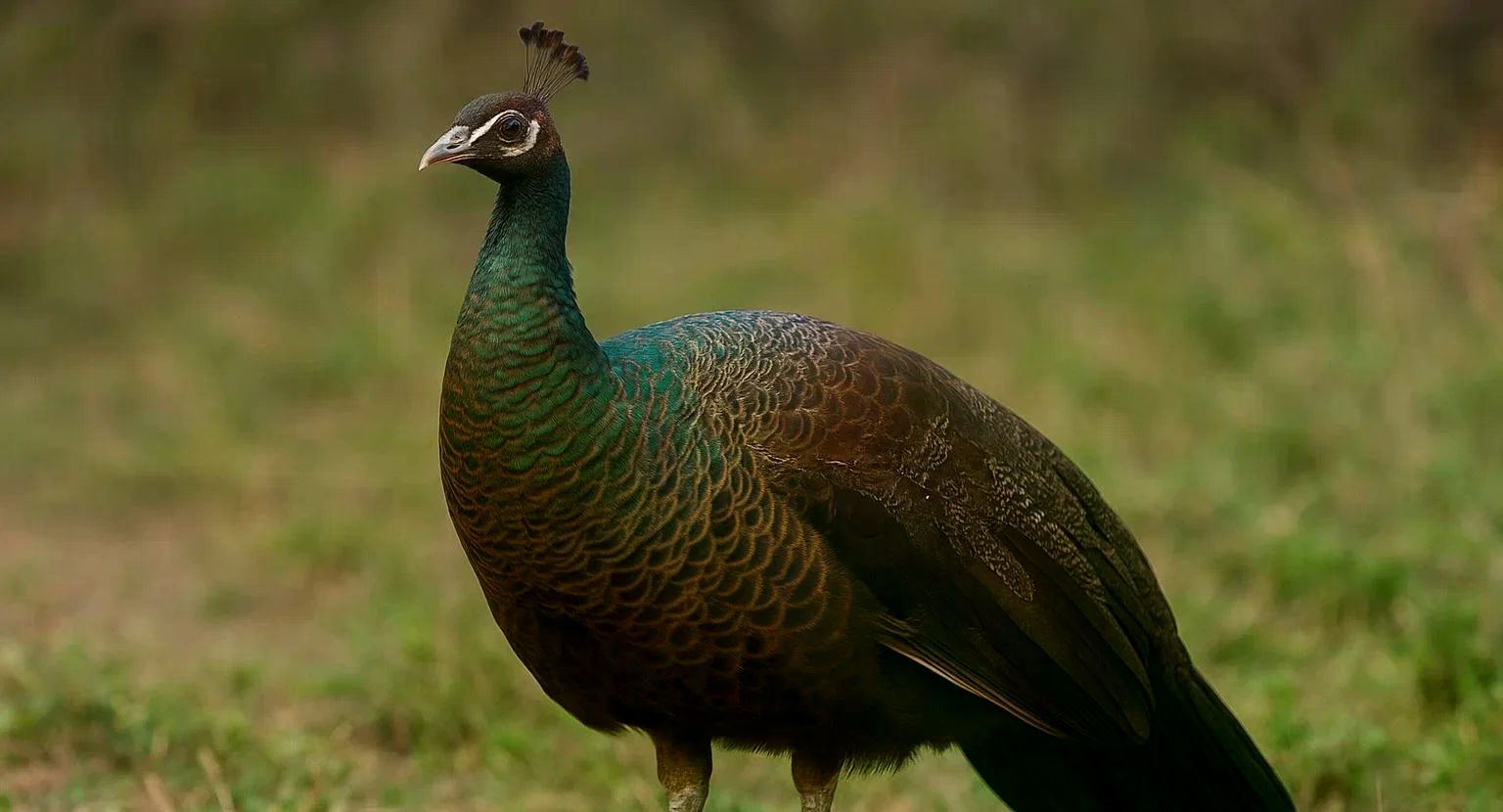
The undisputed star of KBR National Park. The Indian Peafowl, India's national bird, is spotted in abundance across the park, especially during the monsoon mating season when males display their magnificent plumage.
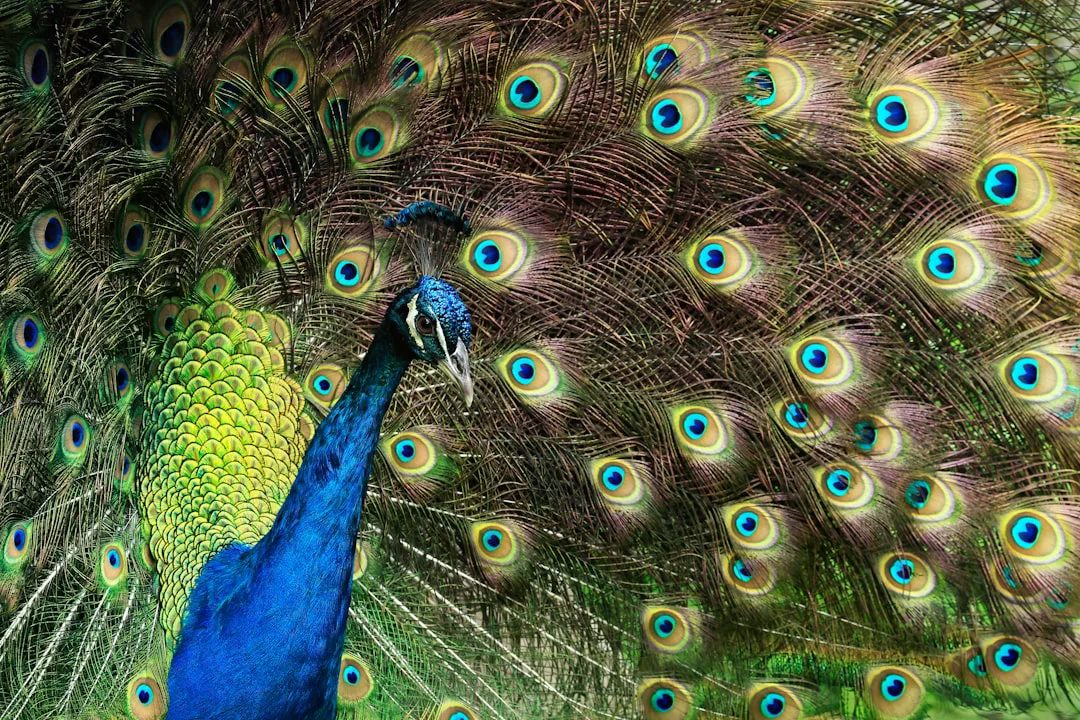
The male peacock's iridescent tail feathers, spanning over 5 feet, create a mesmerizing display. KBR National Park is one of the best places in Hyderabad to witness this spectacular courtship dance.
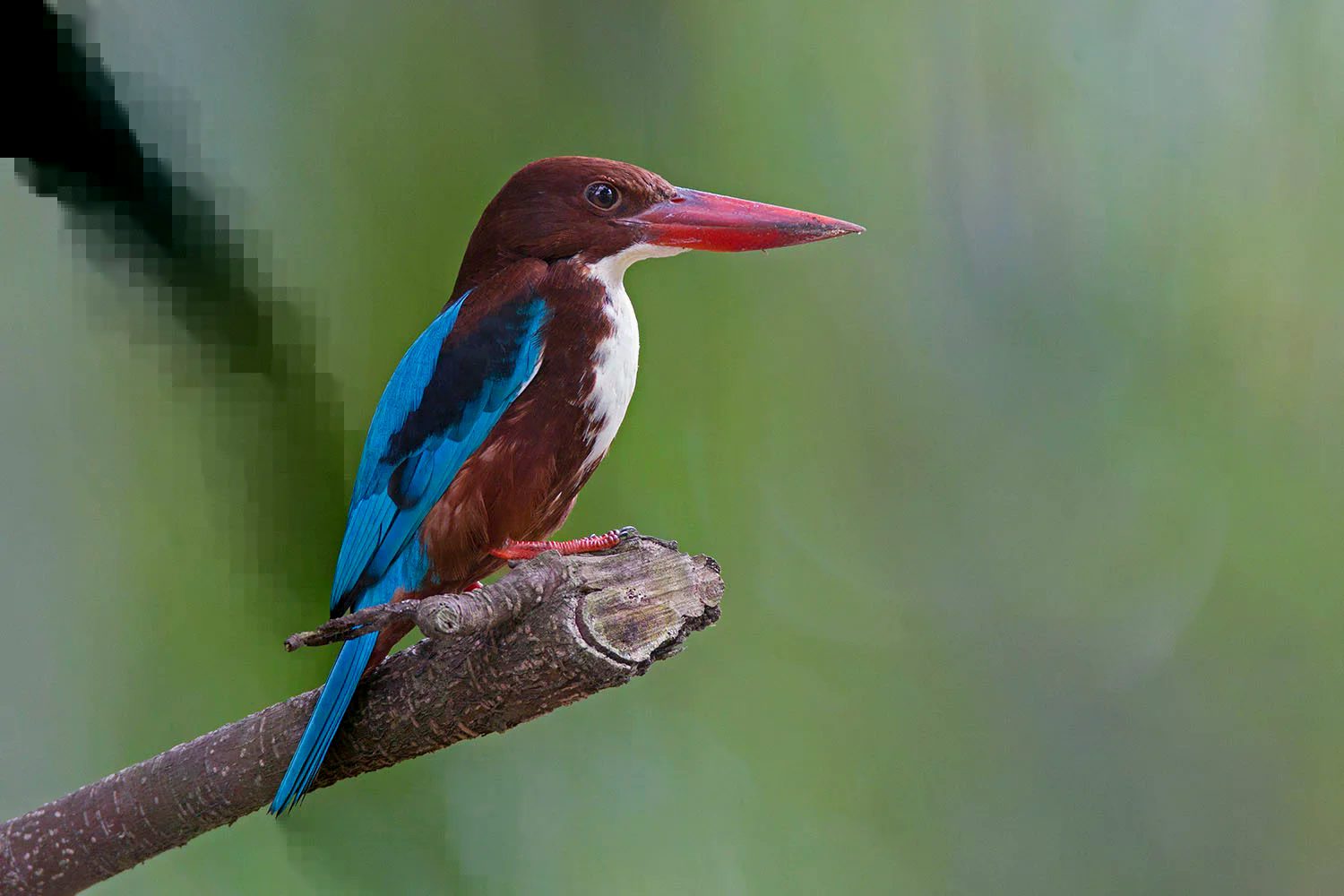
A vibrant, jewel-toned resident often seen perched near water sources within the park. Its bright blue plumage and distinctive call make it a favourite among birdwatchers.
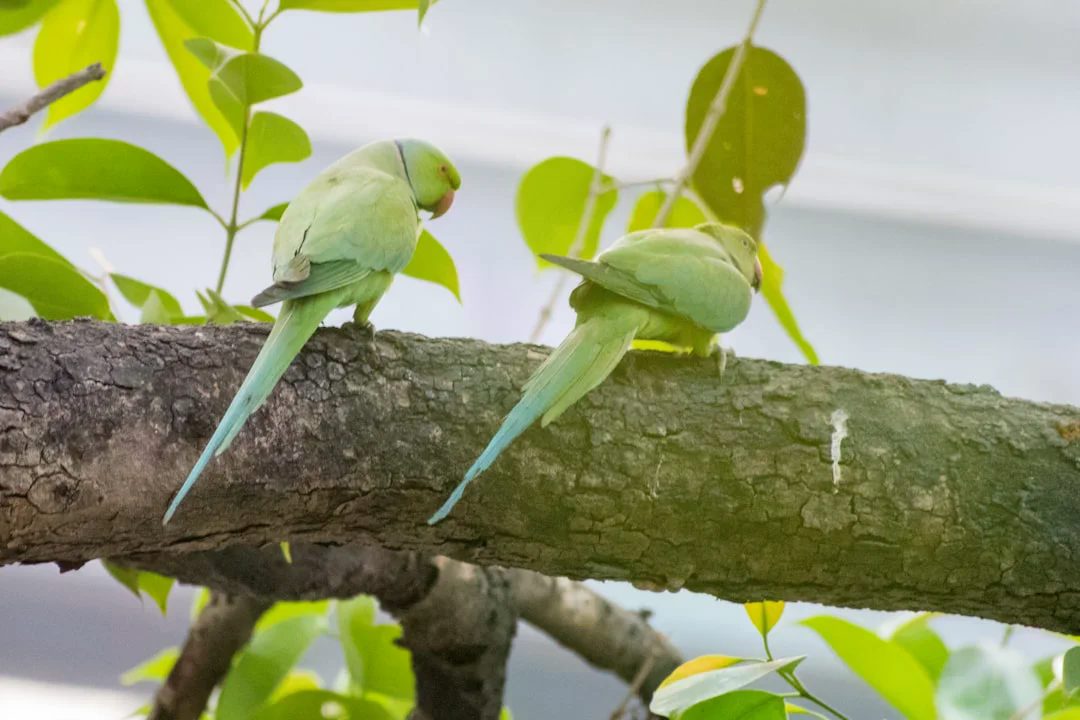
These bright green parakeets are commonly seen in flocks, filling the canopy with their cheerful chatter. They nest in tree hollows throughout the park.
Park Vegetation
KBR National Park's rich vegetation includes deciduous forests, flowering trees, and native shrubs that support the park's diverse birdlife and insect population.
Deciduous Forest
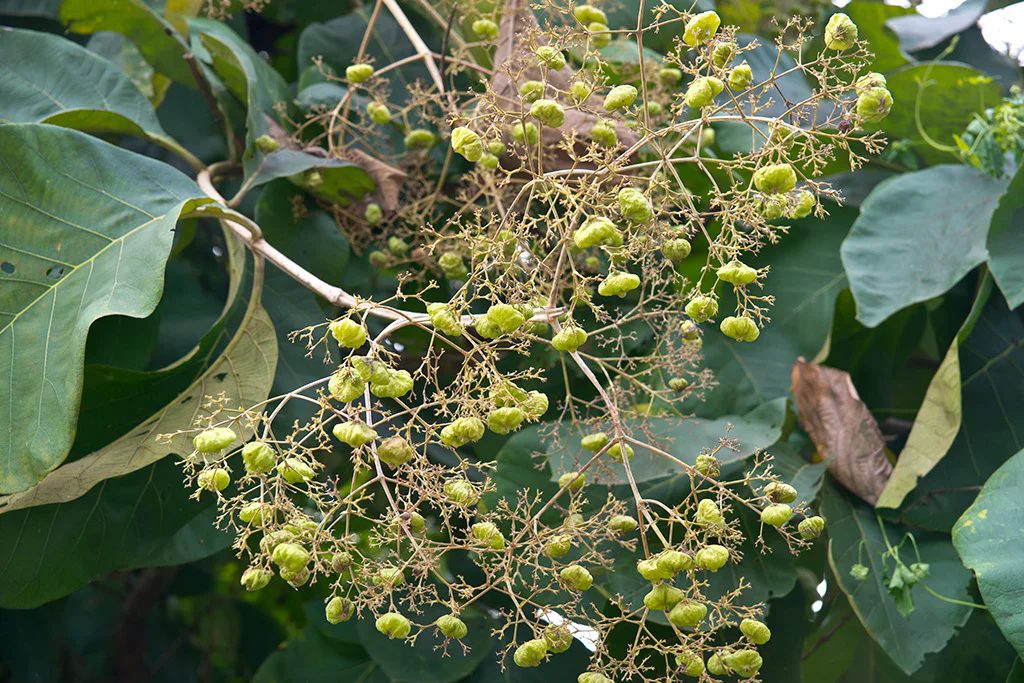
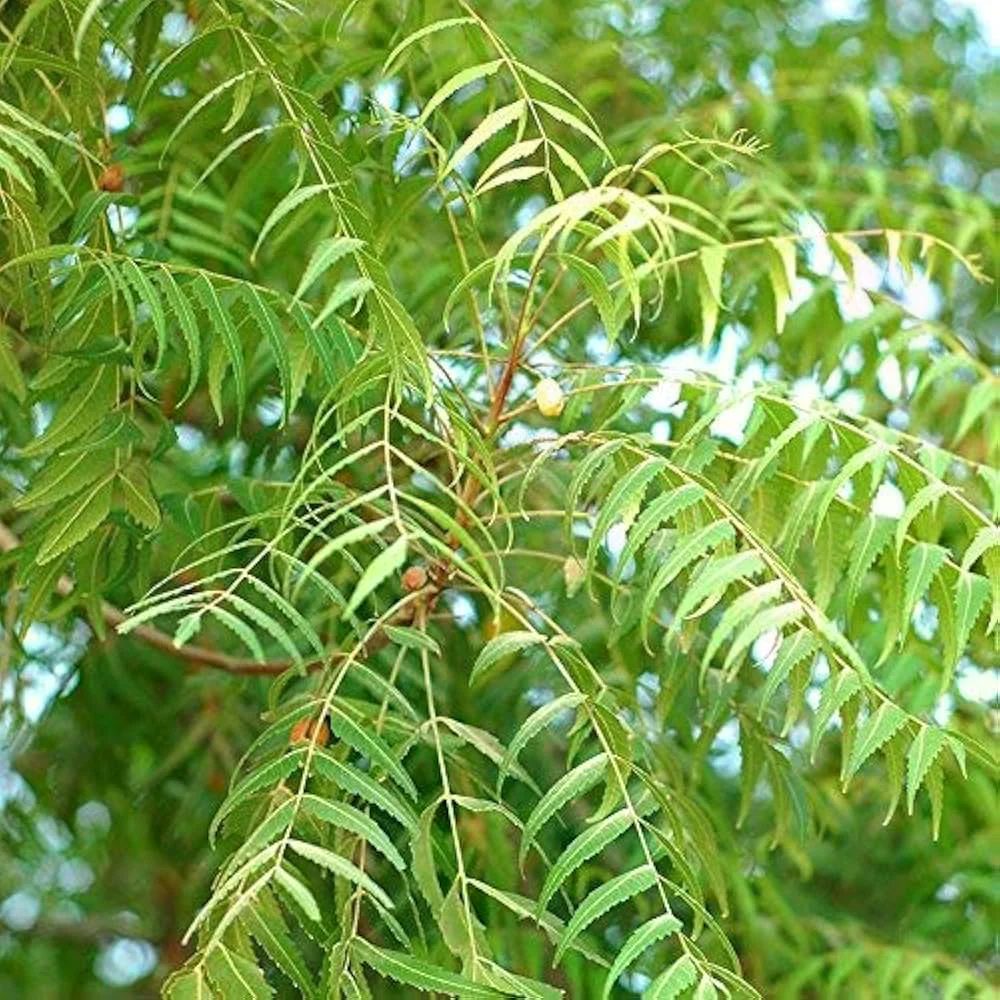
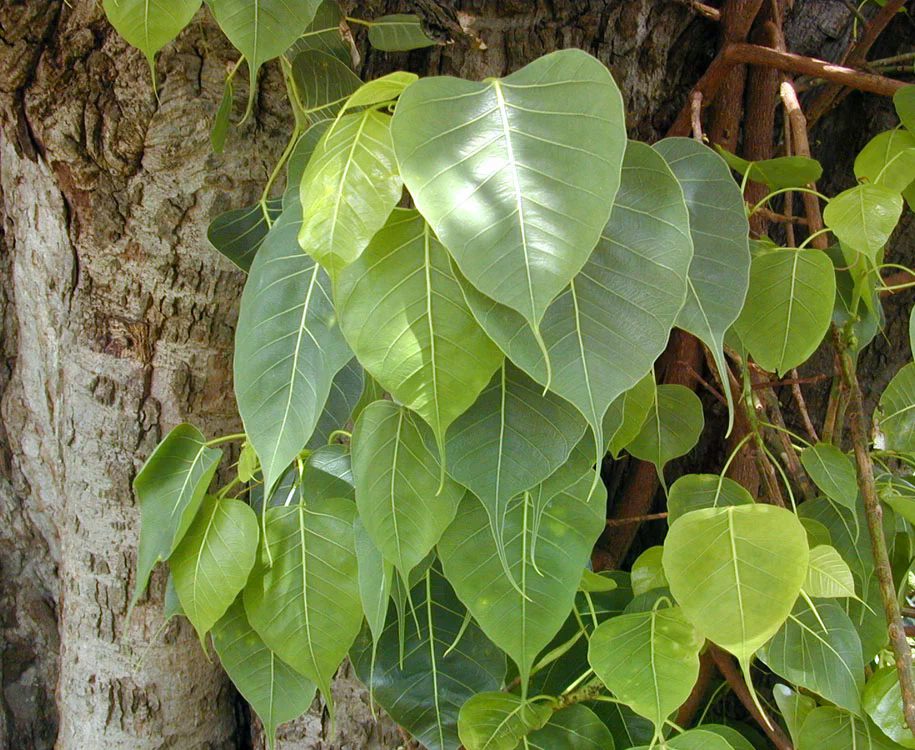
Teak, neem, and other deciduous trees form the dominant canopy.
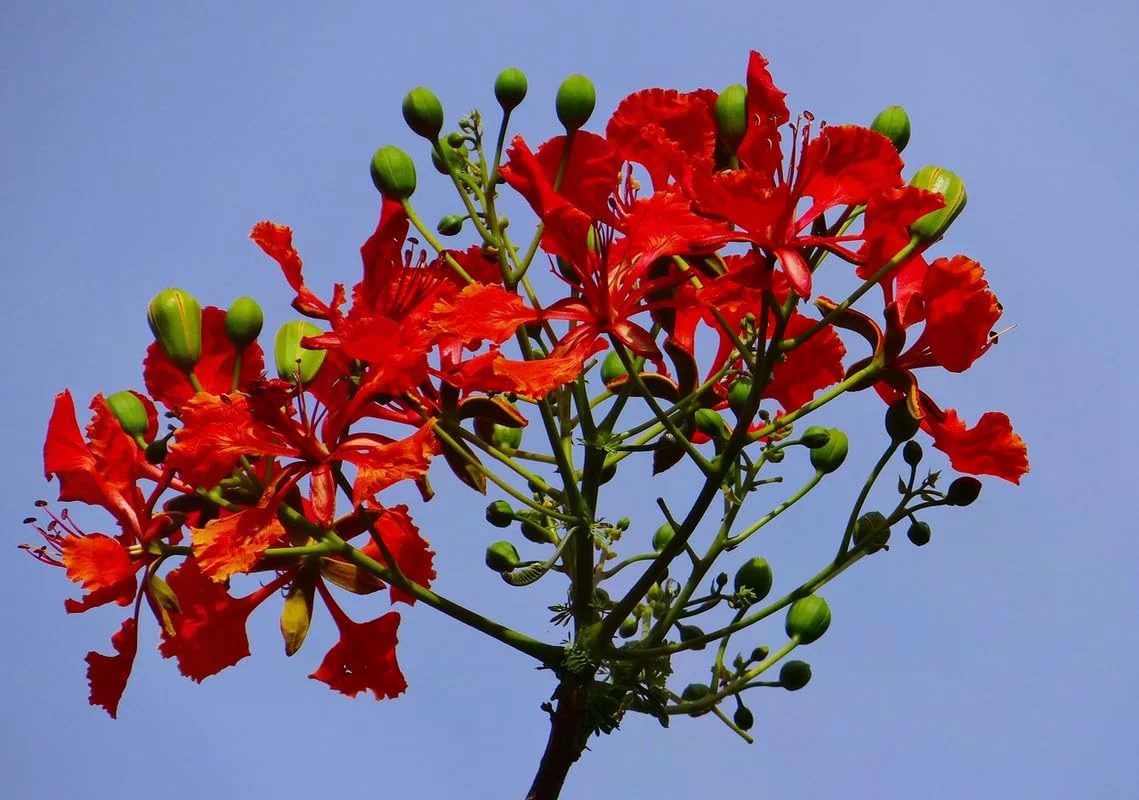
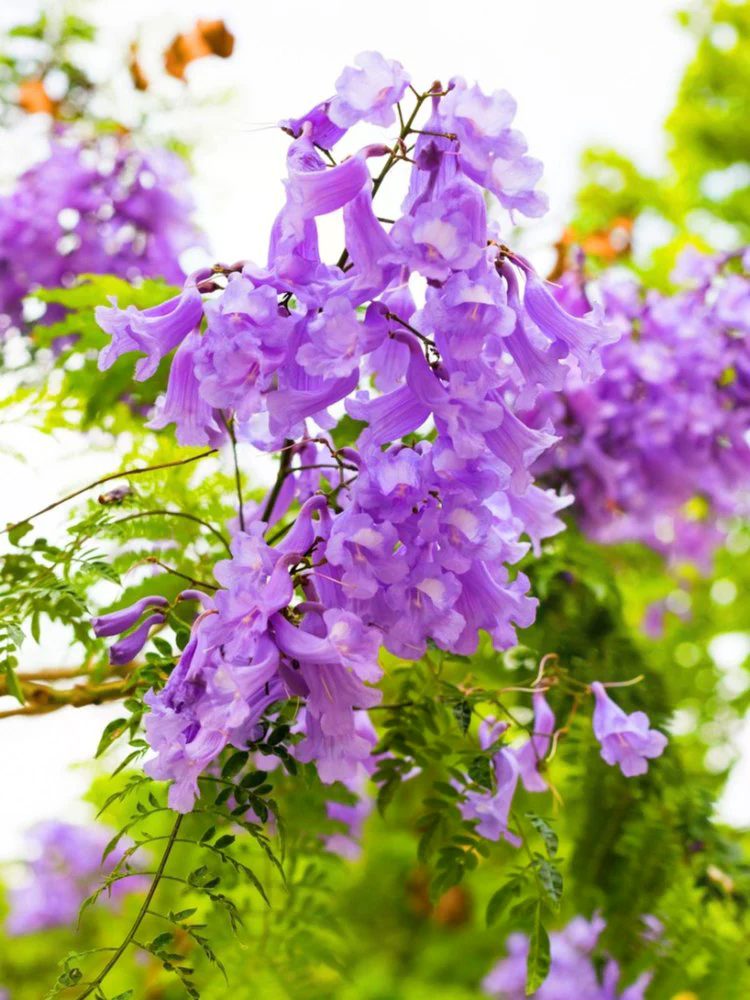
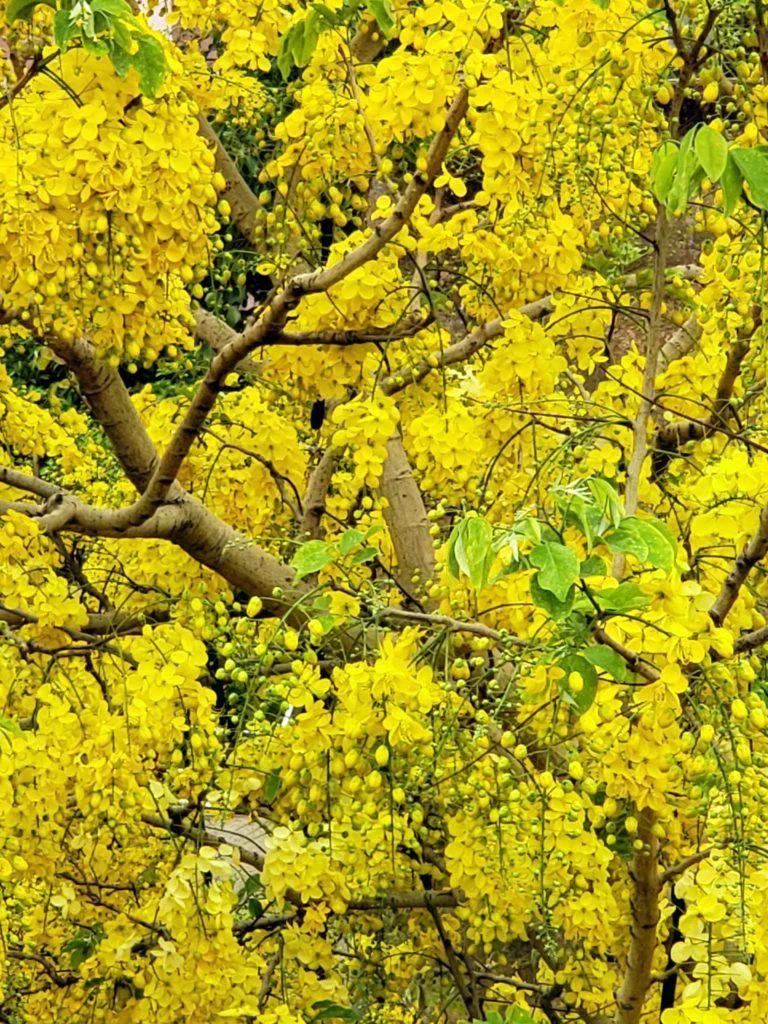
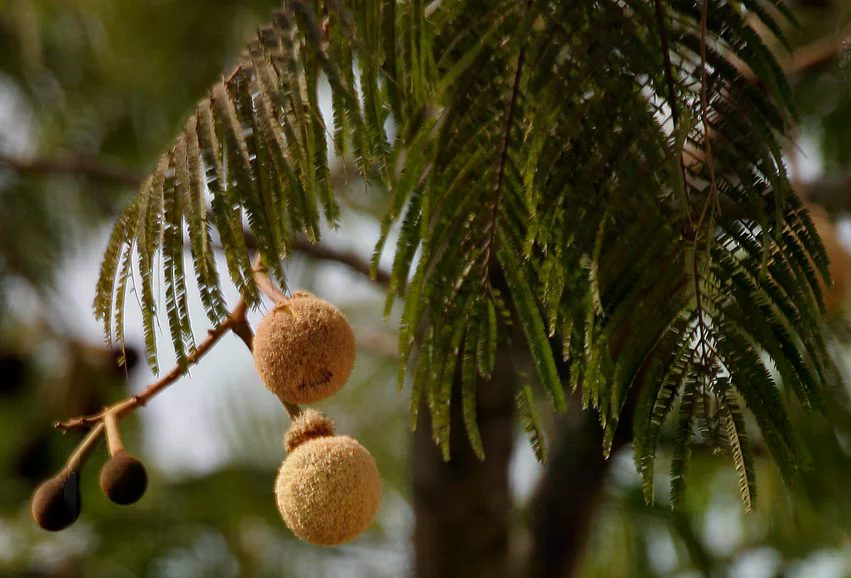
Flowering Trees
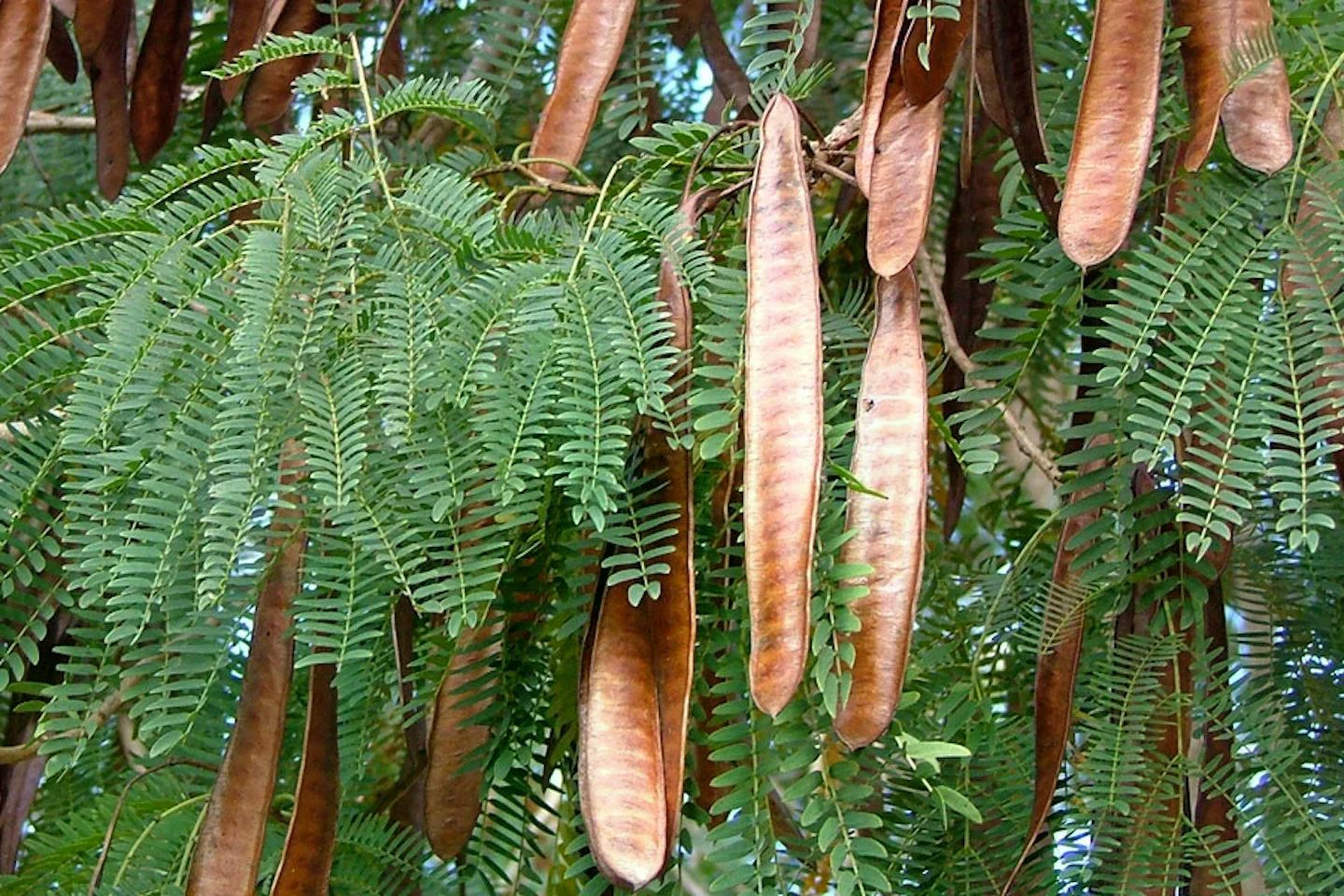
Seasonal blooms attract nectar-feeding birds and butterflies, adding colour to the landscape.
Native Shrubs & Grasses
The understory supports a rich micro-ecosystem of insects, small reptiles, and ground-nesting birds.
Special flowers of KBR National Park
KBR National Park is adorned with a rich variety of native and seasonal flowering plants, from vibrant wild blossoms to rare urban forest flora. The park's diverse ecosystem supports flowering trees, shrubs, and ground cover that enhance natural beauty, pollinators, and play a vital role in maintaining ecological balance.
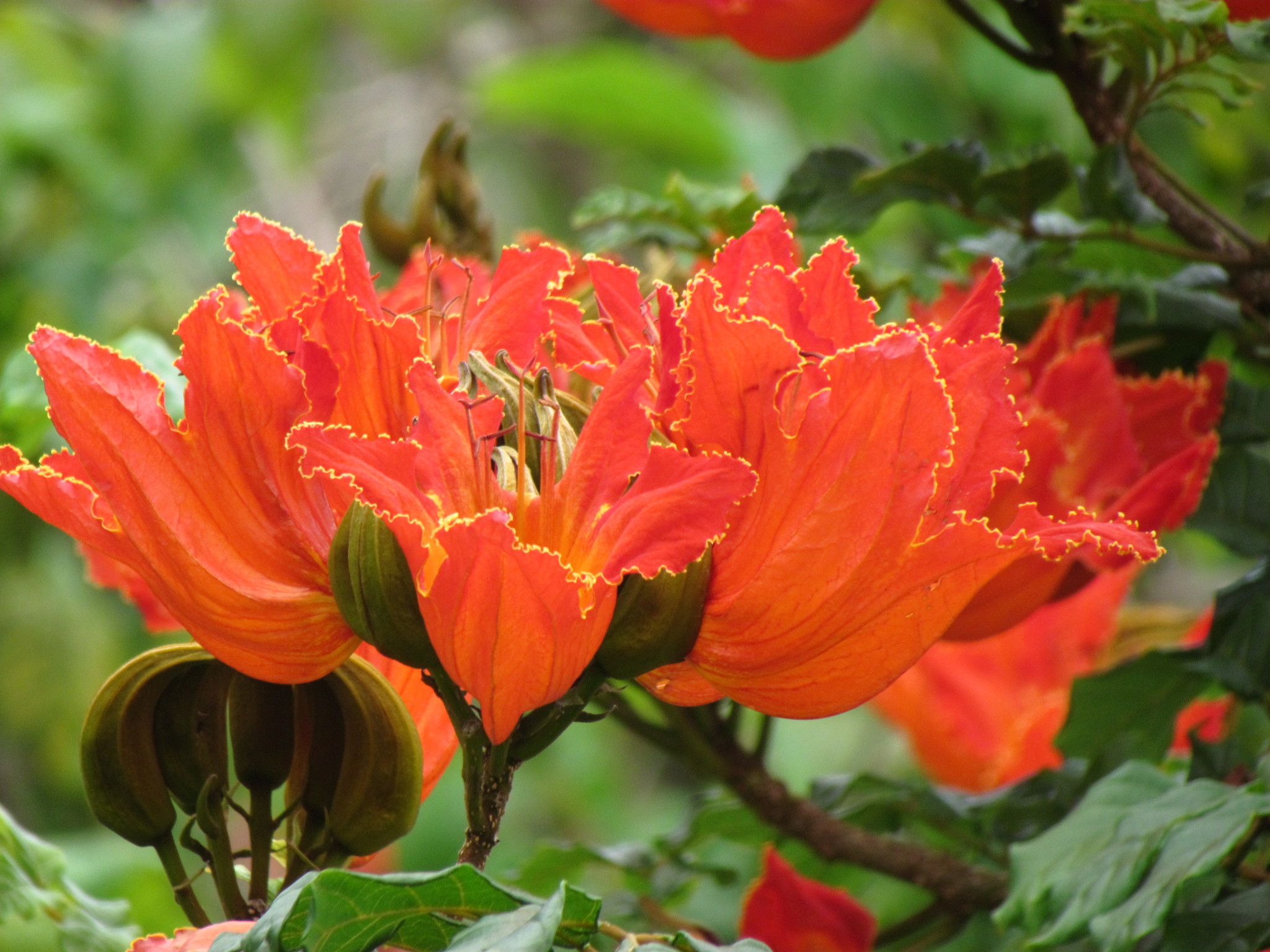
A striking ornamental tree known for its large, bright scarlet-orange flowers that add vivid color to landscapes year-round.
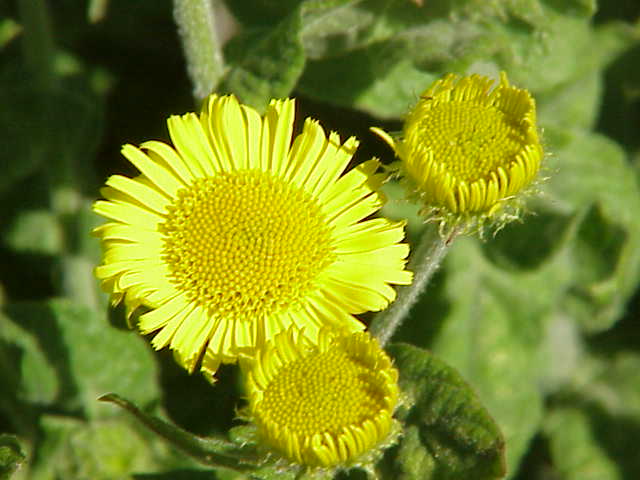
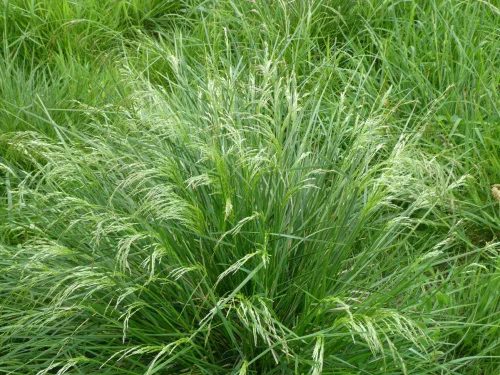
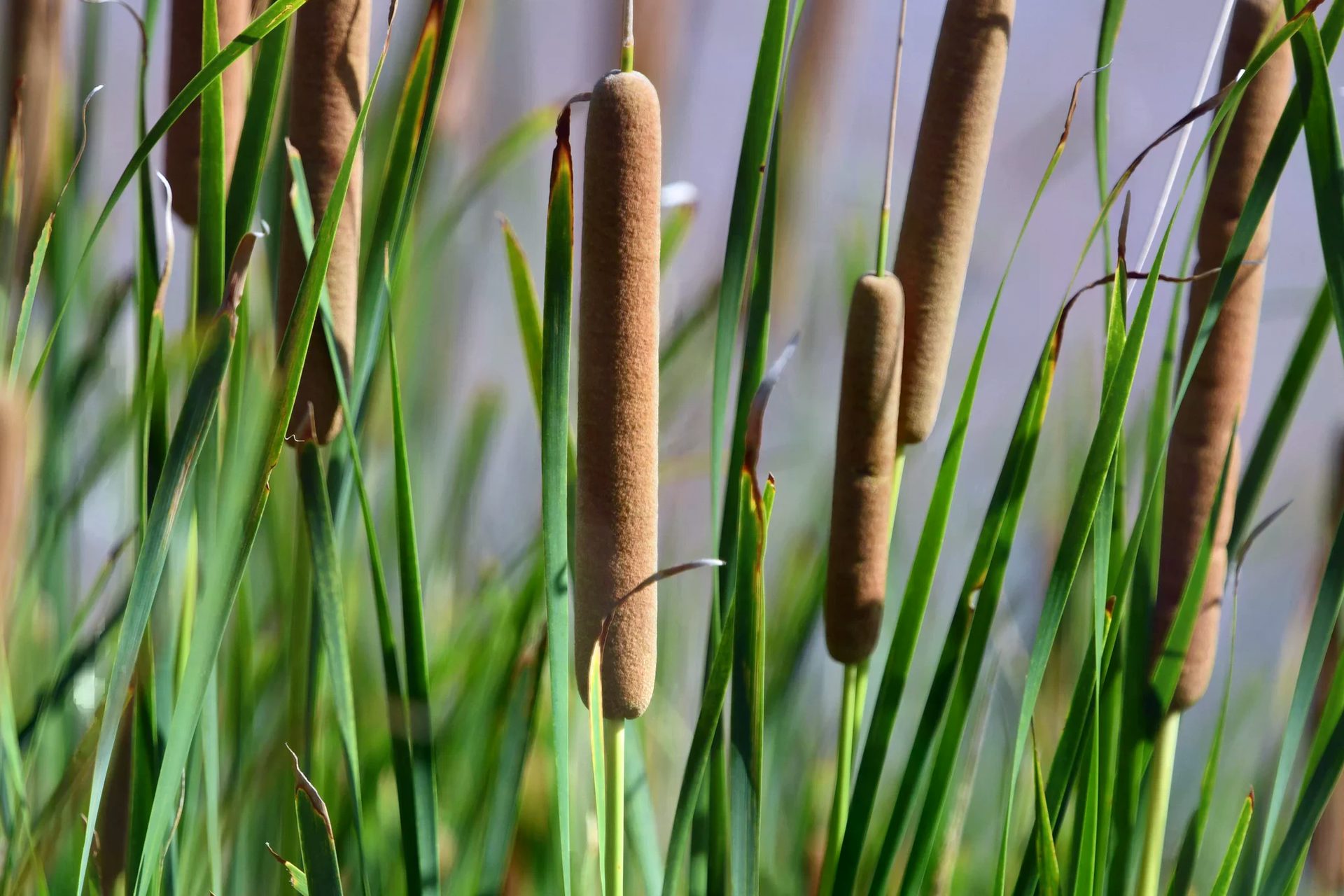
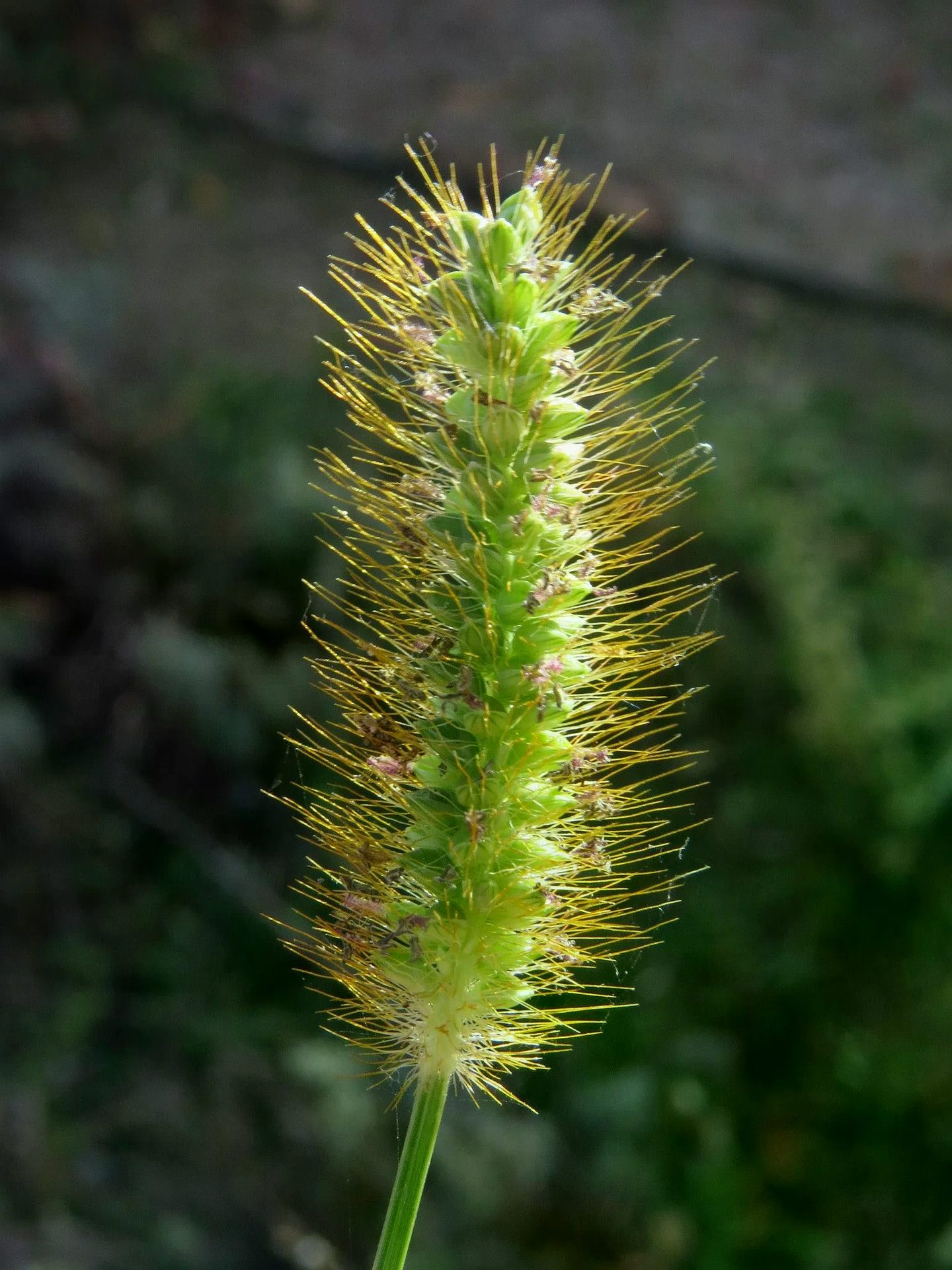
A native forest tree valued for its ecological role, providing shade and supporting local wildlife within natural woodland habitats.
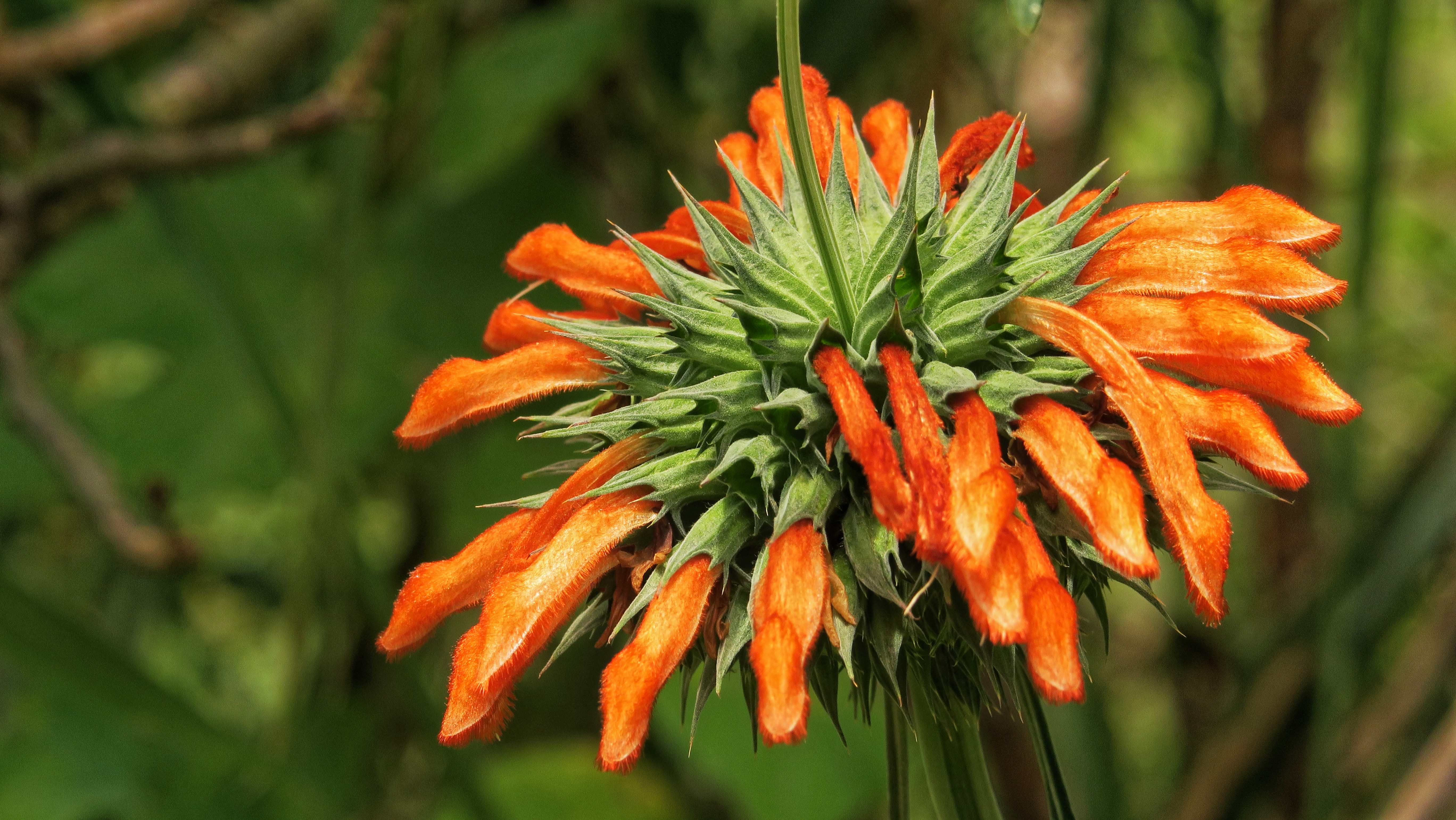
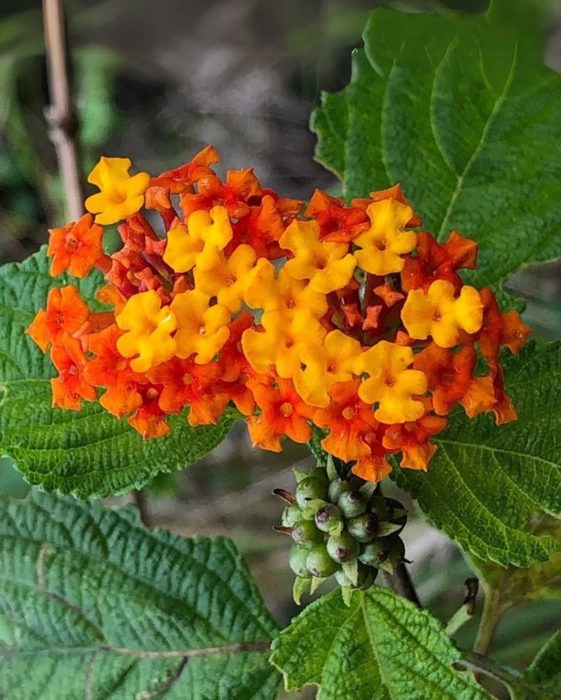
A tall, eye-catching flowering plant with bright orange, globe-shaped blooms that attract birds and pollinators, adding vibrant color to open landscapes.
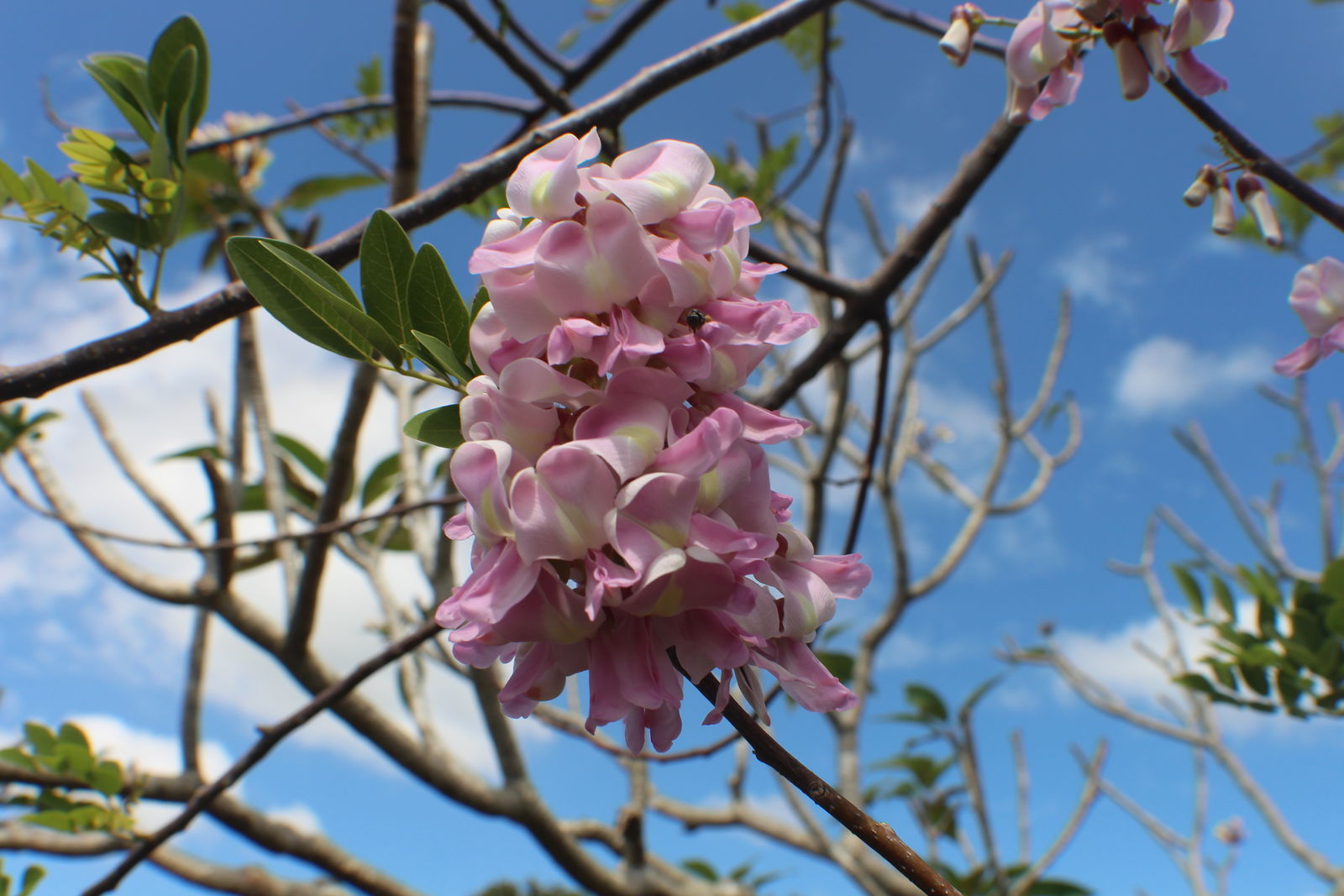
These bright green parakeets are commonly seen in flocks, filling the canopy with their cheerful chatter. They nest in tree hollows throughout the park.
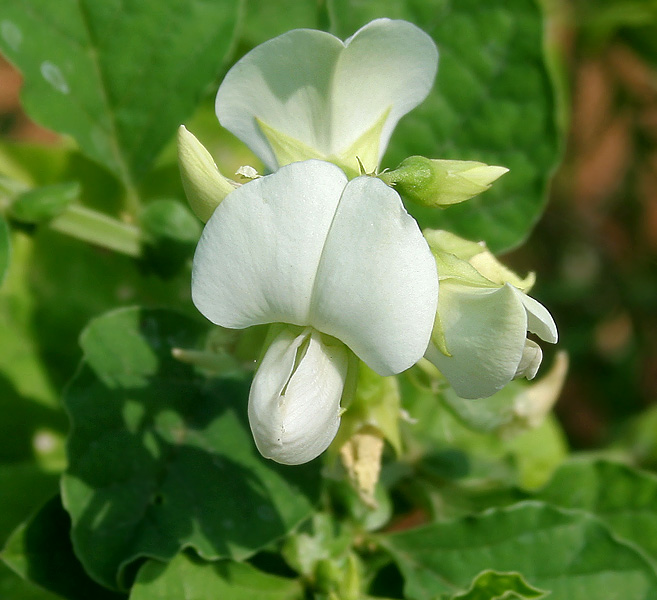
A striking ornamental tree known for its large, bright scarlet-orange flowers that add vivid color to landscapes year-round.
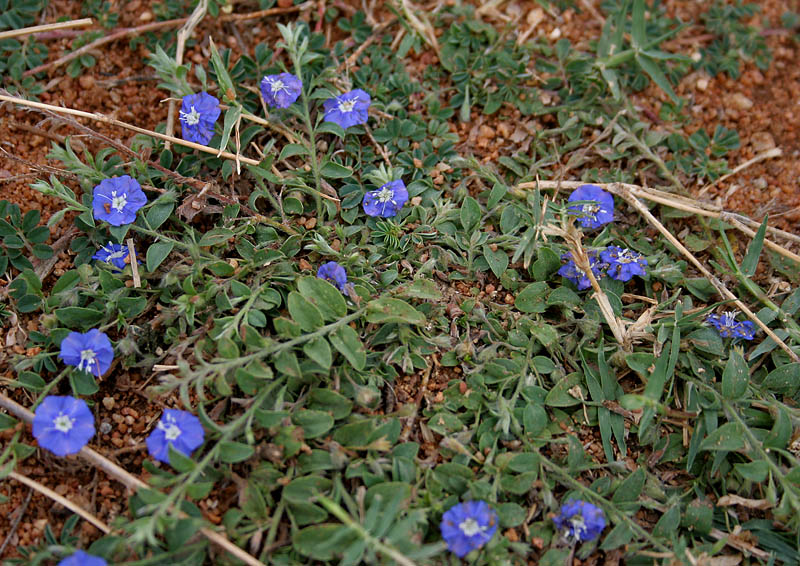
A small iconic medicinal herb revered in traditional medicine, known for its delicate blue flowers and its association with memory enhancement, mental health, and cultural significance.
Mammals
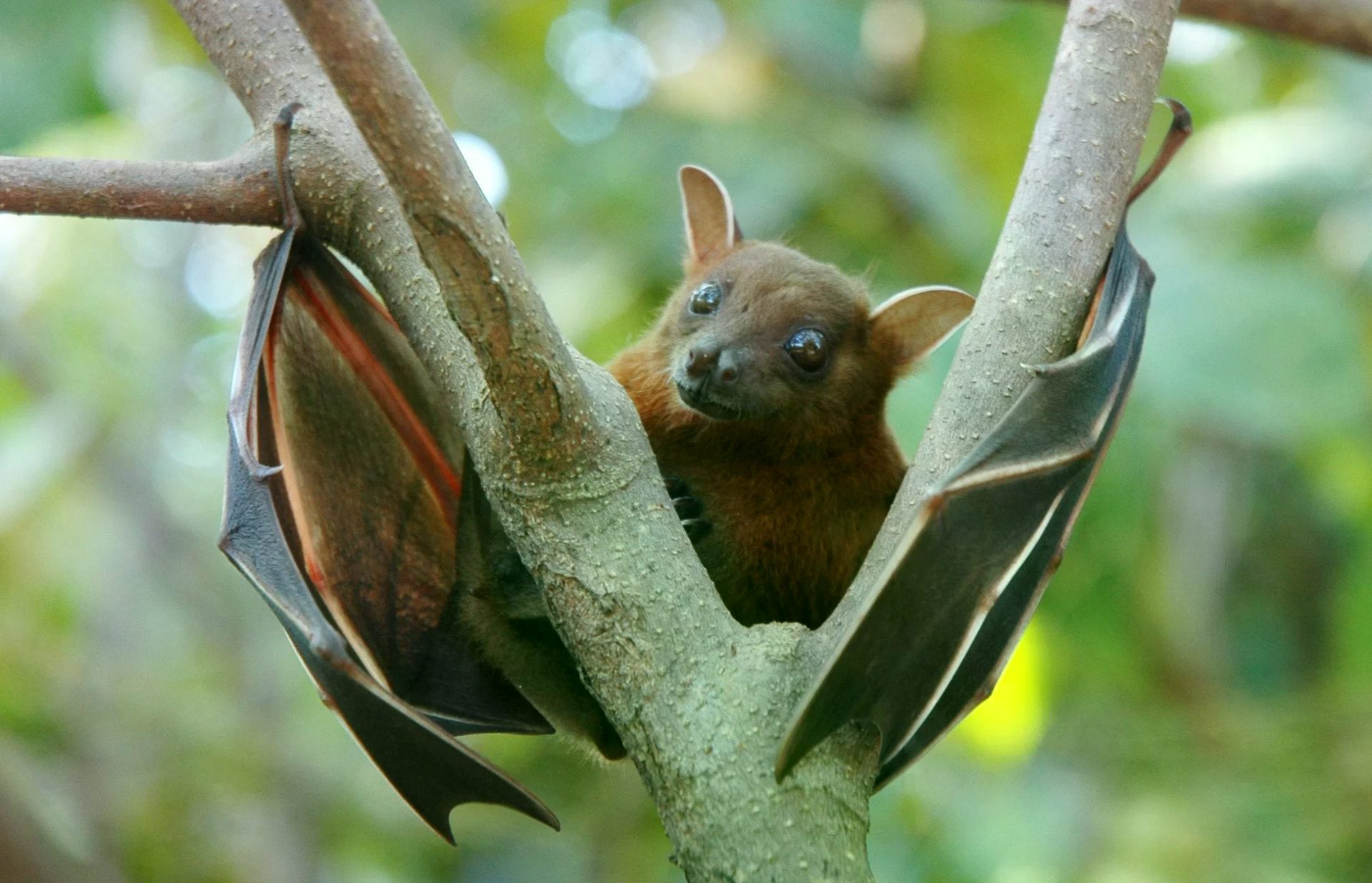
The Greater short-nosed fruit bat is a small, dog-faced bat known for building tents out of leaves and feeding on tropical fruits across South and Southeast Asia.
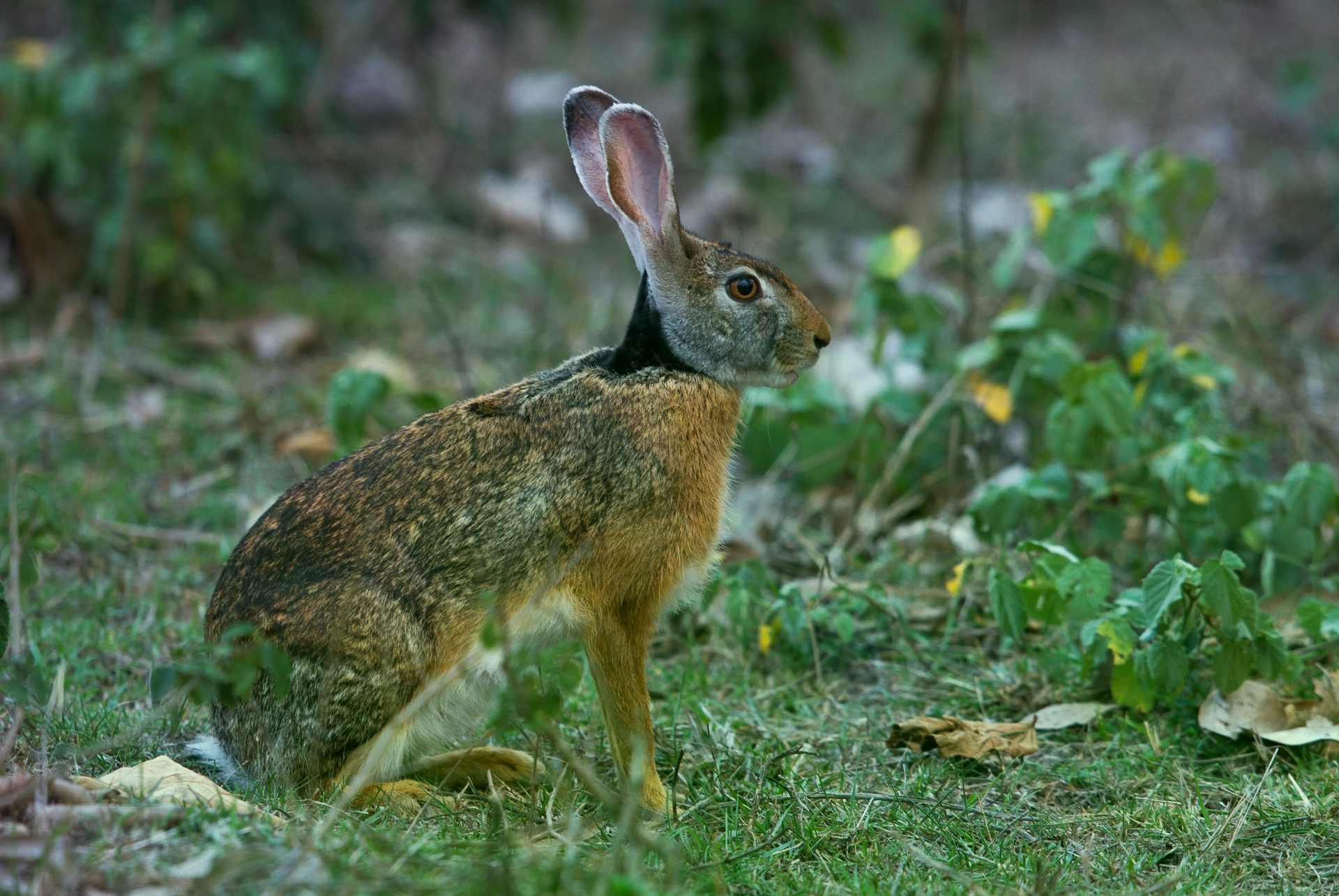
A shy, solitary, and primarily nocturnal herbivore native to the Indian subcontinent, distinguished by a prominent black patch of fur on the nape of its neck and its remarkable ability to reach speeds up to 80 km/h.
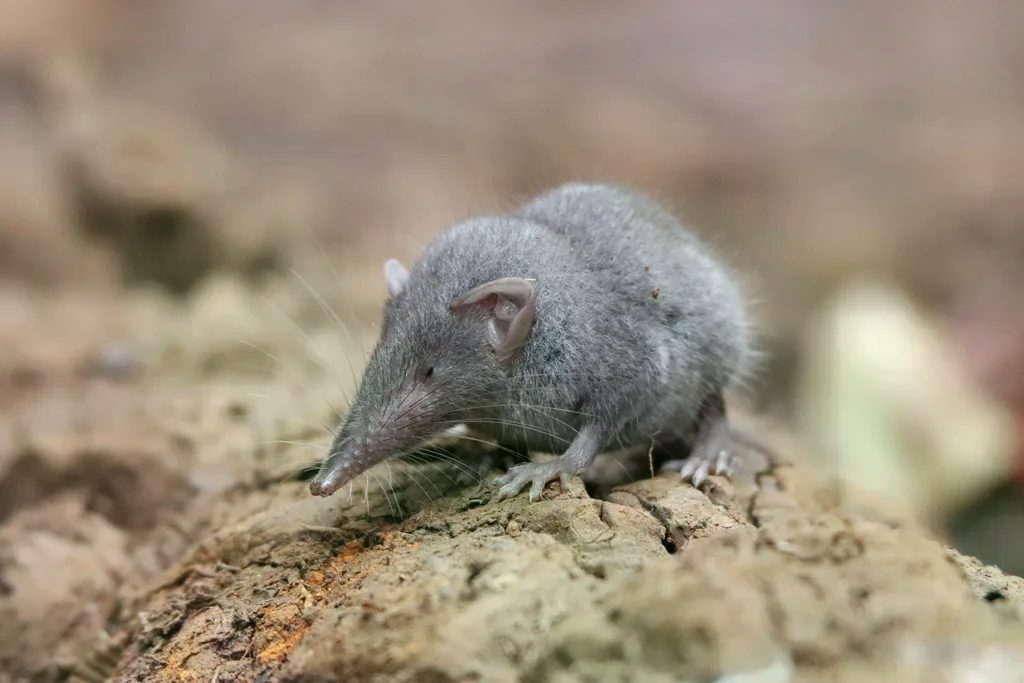
The Grey Musk Shrew is a small, insectivorous mammal commonly found in South and Southeast Asia. It has a pointed snout, tiny eyes, and emits a strong musky odor. It is mostly nocturnal and feeds on insects and small invertebrates.
Reptiles
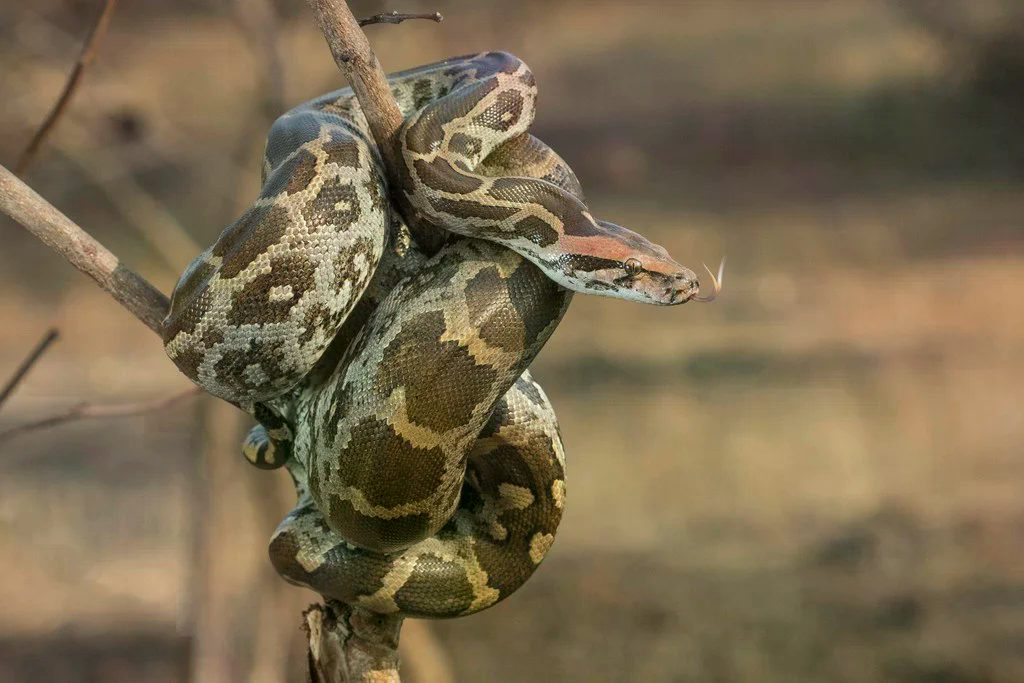
A massive, non-venomous constrictor native to South Asia, known for its powerful build and distinctive dark brown blotched patterns.
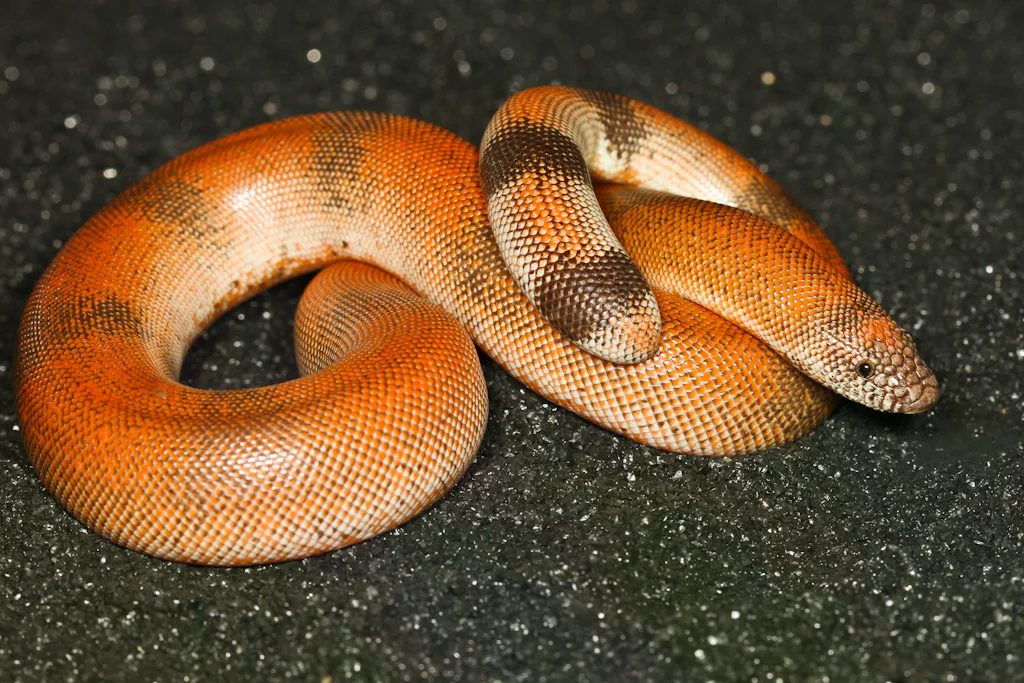
The Red Sand Boa is a non-venomous, burrowing snake known for its thick, blunt tail that mimics a second head to confuse predators.
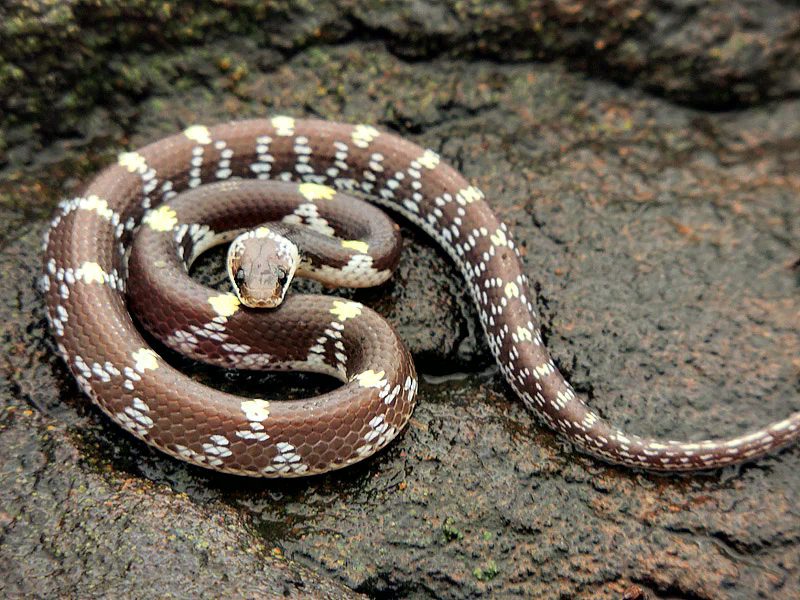
The Barred Wolf Snake is a small, non-venomous nocturnal snake known for its glossy black body with white bands that mimic the appearance of a venomous Krait.
"Every living being adds to the richness of our world." Dr. Salim Ali